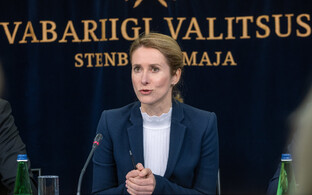
Viron pääministeri Kaja Kallas sanoo, että Ukrainan sodan pitää päättyä Venäjän tappioon, maan hajottamiseen ja jakamiseen pienemmiksi valtioiksi. Kallas esitti ratkaisua viikko sitten Viron entisen presidentin Lennart Meren nimeä kantavassa vuotuisessa konferenssissa Tallinnassa. Venäjä on pääministerin mukaan muodostettu monista eri kansakunnista eikä sen hajottaminen erillisiin valtioihin olisi huono asia.
Kallas näyttää löytäneen uuden ajatuksen urapolkunsa jatkamiseksi, vaikka hän julkisesti vakuuttaakin pysyvänsä Virossa ja maan pääministerinä. Hän esiintyy nyt voimallisesti sen puolesta, että sekä Nato että myös Euroopan unioni ottaisivat tavoitteekseen Venäjän hajottamisen useampiin pieniin valtioihin sen jälkeen kun Venäjän nykyhallinto on Ukrainan sodassa ensin voitollisesti kukistettu.
Kallaksen jo vuosia kestänyt pyrky tulla valituksi Naton uudeksi pääsihteeriksi tehtävästä todennäköisesti pian pois siirtyvän norjalaisen Jens Stoltenbergin seuraajaksi on ajanut karille. Hänen Venäjä-vastaisuuttaan ei edes Nato-maiden keskuudessa tunnuta arvostettavan riittävästi, vaikka pääministerinä toiminut Sanna Marin (sd) muutti johtamansa Suomen hallituksen Venäjä-politiikan linjaukset suurin piirtein Viron mallin mukaisiksi.
Koska Kallaksen voiton mahdollisuudet seuraavissa Viron parlamenttivaaleissa vaikuttavat heppoisilta, pääministerin katse suuntautuu nyt tosiasiassa europarlamenttivaalien jälkeen muodostettavan EU:n uuden komission valintaan. Viron hallitus saa valita komissioon yhden komissaarin ja kukapa voisi olla sopivampi uudeksi puolustuskomissaariksi kuin jo vuosia sotilasliitto Naton pääsihteeriyttä tavoitellut Kallas.
Vaikka paljon puhuttua puolustuskomissaarin virkaa ei perustettaisikaan, pääministerinä Kallas voisi joka tapauksessa valituttaa itsensä komission jäseneksi Suomen entisen pääministerin Jyrki Kataisen tapaan. Kallakselle kelpaisi myös EU:n ulkopolitiikan johtajan salkku komissiossa. Viron nykyinen EU:n energiapolitiikasta vastaava komission jäsen Kadri Simson sanoi toukokuun alkupuolella pitävänsä todennäköisenä, että Kallas tavoittelee jompaa kumpaa tehtävää uudessa komissiossa.
Kallas esittää Ukrainan sodan voittamisen yhdeksi välineeksi Nato-maiden joukkojen lähettämistä hetimiten Ukrainaan. Ensi vaiheessa Nato-maiden joukkoja ei lähetettäisi kuitenkaan suoraan taistelutehtäviin rintamalle, vaan esimerkiksi kouluttamaan ukrainalaisia sotilaita paikan päällä. Tämä olisi jo kustannussyistä edullisempaa ja myös logistisesti helpompaa kuin Ukrainan asevoimien sotilaiden kouluttaminen maan rajojen ulkopuolella. Nyt ukrainalaisia sotilaita koulutetaan mm. Yhdysvalloissa, Britanniassa ja Norjassa.
Naton viidennen artiklan asiantuntijana mielellään esiintyvä Kallas sanoo, että vaikka Venäjä hyökkäisikin Ukrainassa olevia kouluttajia vastaan, hyökkäykset eivät automaattisesti laukaisisi viidenteen artiklaan liittyvää Naton keskinäisen puolustuksen mekanismia, joka pakottaisi Naton jäsenmaat sotaan Venäjää vastaan. Viron pääministerin mielestä riski on kuitenkin otettava, koska joka tapauksessa nyt käydään sotaa Venäjää vastaan. Hänen mielestään useissa muissa Nato-maissa esiintyvälle pelolle suursodan mahdollisuudesta ei kuitenkaan ole perusteita.
Viron pääministerin mielestä eräät Nato-maat näyttävät pelkäävän Ukrainan sodan eskaloitumisen ohella myös sitä, että Venäjä käyttää ydinaseita. Kallas syytti samalla eräitä Naton jäsenmaita putoamisesta Venäjän ”pelotteluansaan”. Presidentti Vladmir Putin pyrkii Kallaksen mukaan juuri siihen.
Viron pääministeri on myös varma siitä, ettei Nato-maiden sotilaiden lähettäminen kouluttajiksi Ukrainaan eskaloisi sotaa, koska jo nykyisin maassa on useammastakin sotilasliiton jäsenmaasta sotilasneuvonantajia paikalla kuten Kallaksen hengenheimolaisiin kuuluva Puolan ulkoministeri Radoslav Sikorski on julkisestikin myöntänyt. Baltian maat, Puola ja Suomi kuuluvat niihin Nato-maihin, jotka ovat antaneet tukensa Ranskan presidentin Emmanuel Macronin puheille, ettei Nato-joukkojen lähettämistä Ukrainaan maan asevoimien tueksi pitäisi sulkea pois.
Suomi vastusti vielä helmikuussa Macronin ehdotusta. Presidentti Sauli Niinistö ilmoitti Nato-maiden tapaamisessa Pariisissa, ettei Suomen mielestä Nato-maiden joukkoja pidä sijoittaa Ukrainaan ja totesi vielä, ettei Suomi aio lähettää omia sotilaitaan Ukrainaan.
Maaliskuussa, kokoomuksen Alexander Stubbin vannottua presidentin virkavalan, Suomen kanta muuttui. Nyt Suomi ei enää sulje pois Nato-maiden joukkojen lähettämistä Ukrainaan. Presidentin ja Orpon hallituksen valtuuksin muiden Nato-maiden kanssa keskusteleva ulkoministeri Elina Valtonen on jopa vedonnut Yhdysvaltoihin ja eräisiin muihin Nato-maihin, etteivät ne sulkisi Macronin ehdotusta kokonaan pois.
Kallas myöntää, että sotilasliitto ei ole yhtä mieltä tavoitteista Ukrainassa. Osa Naton jäsenmaista on hänen mielestään sitoutunut siihen, että Ukrainaa pitää auttaa voittamaan sota Venäjää vastaan. Osa taas ”vain” katsoo, ettei Ukrainan pidä hävitä nyt käytävää sotaa.
Venäjä julkaisi helmikuussa pidätysmääräyksen Kaja Kallaksesta. Venäjä syyttää pääministeriä Viroon haudattujen toisessa maailmansodassa kuolleiden neuvostosotilaiden muistomerkkien tuhoamisesta.

12 kommenttia julkaisuun “Viron pääministeri ehdottaa Venäjän hajottamista ”pieniksi valtioiksi””
Vastaa
Sinun täytyy kirjautua sisään kommentoidaksesi.
On se USA:n porkkana edelleen mehukas kaikkien aasien mielestä. Virolla ei ole EU:ssa minkäänlaista painoarvoa (ei ole Suomellakaan) niin että tuon tyttösen höpötykset taitavat olla pelkkää sisäpolitiikkaa. Venäjänvastaisuudella on Virossa kerätty ääniä aina.
Kun KAJA KALLAS esiintyy jyrkästi Venäjän vastaisena julkisuudessa, kannattaa muistaa elokuussa 2023 paljastunut kohu siitä, että Kallaksen puoliso Arvo Hallikin osittain omistaman firman kerrottiin hoitaneen kuljetuksia Venäjälle. Viron suurimmat sanomalehdet Postimees ja Eesti Päevaleht vaativat Kallaksen eroa ja yli puolet virolaisista oli samalla kannalla. Viron painoarvo sekä EU:ssa että Natossa on paljon pienempi kuin mitä Virossa toivottaisiin sen olevan. Siksi ei kannata ottaa Kallaksen puheita liian vakavasti, vaikka ne ajalle oireellisia toki ovat.
Kallaksen vimmainen suhtautuminen sotaan Ukrainassa sisältänee myös aitoa pelkoa siitä, mitä sotilaallinen epäonnistuminen Ukrainaa tukevalle länsiliittoumalle merkitsee Venäjän pienille rajanaapureille. Vuosikymmeniä jatkunut epädiplomaattinen räksytys ja riidan haastaminen Naton sateenvarjon alta voi jonain päivänä tulla vastaan, kun Naton (= Yhdysvaltain) kiinnostus Ukrainaan lopahtaa ja huomio keskittyy siihen todelliseen viholliseen eli Kiinaan. Kallas olisi jo halunnut ”turvaan” Naton pääsihteeriksi, mutta tuon elokuun 2023 jutun takia se tie lienee tukossa. Mutta yrittäähän aina voi.
Kallaksen lausunto tuo näkyviin sen ”eksistentiaalisen uhan”, jonka kohteena Venäjä on väittänyt olevansa lännen taholta. Senhän Kallas nyt tuo julki: tavoitteena Venäjä hajalle. Tätähän amerikkalaiset toisinajattelijatkin ovat puhuneet jo kauan Naton pyrkimyksistä Ukrainan sodassa.
Mutta tätä Venäjän käsitystä ovat lännen media ja varsinkin suomalaiset journalistit opettaneet pitämään Venäjän vainoharhaisuutena, jolla ei ole mitään todellista pohjaa. -Mites nyt?
En oikein tiedä, voiko Viron pääministeri sanoa julkisuudessa mitään itse ajateltua, ainakaan kysymättä ensin Washingtonista. Sooloileeko hän? Vai halutaanko tosiaan USA:nkin taholta tulla ulos kaapista ja paljastaa tämä skenaario? Miksi?
Entä haluaako esim. Ranska tai Saksa lähteä tälle tielle, Venäjää hajottamaan? Onko se heidän kansallisten etujensa mukaista, että amerikkalaiset saavat lisää taloudellista ja sotilaallista jalansijaa Euroopassa, oletetun hajotetun Venäjän alueella nukkehallituksineen? Entä kuinka vakaa ja turvallinen alue olisi pienempiin paloihin pilkottu Venäjä? Lisäisikö se Euroopan tai vaikkapa Kaukaasian turvallisuutta?
Tämä on pelkkää spekulaatiota tietenkin. Minun on vaikea uskoa, että Venäjä sallisi itsensä hajotettavan.
Täysi hulluus näkyy leviävän Euroopassa!
Nythän myös Viron presidenttikin astui esiin ja esitti sinänsä oikean havainnon siitä, että Venäjän muuttumista on turha odottaa, ainakaan nopeasti. Mutta tähän hän esitti suhtautumistavaksi: pitää painostaa Venäjää.
Heikki Talvitie on kommentoinut tätä asennetta osuvasti artikkelissaan ”Suurvalta-Venäjä ja Suomi” :
”Suomalaiset ovat kantaneet huolta siitä, että Venäjä ei ole länsimainen demokratia.
Parempi lähtökohta voisi olla, että ajatellaan Venäjän olevan Venäjä ja pyritään saamaan selvää siitä, mitä Venäjä on.
Venäjän yhteiskunnallinen kehitys tapahtuu venäläisten toimesta eikä ulkpuolisilla ole siihen paljon vaikuttamisen mahdollisuuksia. Ja mitä enemmän pyritään vaikuttamaan, sitä suurempi on vastustus.” ((Venäjä, Venäjä, Venäjä! 2014)
Tämmöisillä kallaksilla ja stubbeloilla ei ole mitään mahdollisuuksia polkea venäläisiä maanrakoon, onneksi!!!
Lilliputti Viro pullistelee. Vielä.
Onko Nato seuraavaksi hajottamassa Kallaksen johdolla osiin myös muut monikansalliset valtiot/liittovaltiot? USA, EU, Intia…. Ruotsikin on jo aika monikansallinen, kyllä senkin voisi hajottaa pienempiin alueisiin.
Kaikien Nato-maiden johtajat, jotka kannattavat joukkojen lähettämistä Ukrainaan, pitää kuskata jokainen Ukrainan eturintamalle juoksuhautaan. Muuten ne hullut ja kahelit eivät ymmärrä, minkälaista sota on.
Jotenkin käytös, puheet ja ulkonäkö muistuttaa Sanna Marinia. Kyllä Sanna järjestää Kajalle työpaikan. Pakkohan kovien jätkien on päästävä eteenpäin.
No hyvä, että tuosta leiristä joku nyt sanoo ääneen tuon Lännen tavoitteen. Ei tarvitse enää vakuutella ihmisille tätä asiaa, kun monet ovat tähän saakka suhtautuneet hyvin epäilevästi tällaiseen ”salaliittoteoriaan”.
Onko Kajaksen ulostulo silkkaa tyhmyyttä vai onko tämä uusi askel eteen päin projektissa? Totutetaan ihmiset ajatukseen, että hajotettu Venäjä olisi kaikille parempi?
Hatkahdyttavaa nahda mihin ihminen pystyy oman edun tavoittelun nimissa.